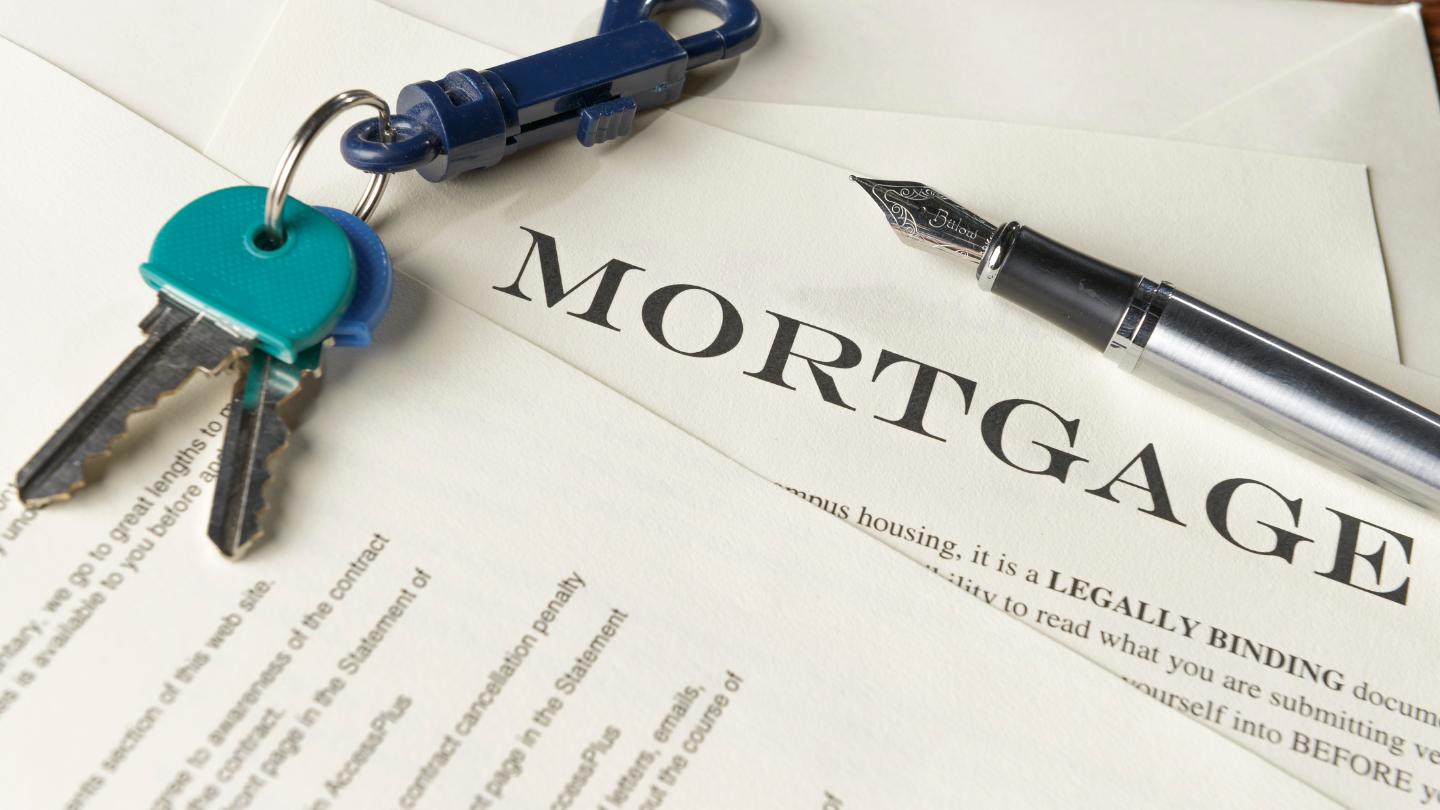

Walking into a Canadian bank or credit union to sign mortgage papers feels like facing a simple yes-or-no gate: either the deal’s open or it’s closed. This all-or-nothing moment can ripple into big changes, so knowing what shapes that choice matters a lot. Many don’t realize that behind the scenes, credit scores, interest rates, and lender rules pull the strings like an unseen puppeteer. A neat fact is that nearly 60 percent of Canadians get mortgages from credit unions, showing they trust alternatives to big banks. Picture signing those papers as stepping onto a seesaw balanced by your financial moves—push just right, and the door swings wide open. For anyone chasing home ownership, understanding this rollercoaster can save time, stress, and cash. Dive in and find out what really flips that switch, so the next mortgage sign-off feels less like a gamble and more like a sure win.
Most Canadians instinctively pick a closed mortgage because the interest rate is lower. But do you know what rights you’re signing away to get that rate? And do you know when paying the premium for an open mortgage could actually save you thousands?
If you’re confused by the difference between open and closed mortgage options, this guide breaks down the math, the penalties and the strategy for Canadian homeowners.
The Core Difference: Flexibility vs Cost
The choice between open and closed comes down to one simple tradeoff which is certainty vs freedom.
- Closed mortgage: You agree to keep the mortgage for the full term (e.g., 5 years). In exchange, the bank gives you their lowest interest rate. If you try to leave early, you pay a steep penalty.
- Open mortgage: You can pay off the entire mortgage at any time, in full, without penalty. In exchange, the bank charges you a much higher interest rate.
Think of a closed mortgage like a 2 year cell phone contract: cheaper monthly plan, but expensive to break. An open mortgage is like a month to month plan: more expensive monthly, but you can cancel tomorrow for free.
Key takeaways (open vs closed mortgage in Canada)
- Closed mortgages: lower rates but big penalties if you break early and limited prepayments.
- Open mortgages: higher rates but no penalty if you pay off the balance at any time.
- For most long term homeowners, a closed mortgage is cheaper; an open mortgage only makes sense if you know you’ll sell or pay off the loan soon.
What Is a Closed Mortgage?
Best for: Most Canadian homeowners who plan to stay in their home for the full term.
A closed mortgage is the standard choice in Canada. Because the lender expects to earn interest from you for the next 3–5 years (or longer), they offer you a discounted interest rate compared to open terms.
The “Trap”: Prepayment Penalties
The downside of a closed mortgage is that you’re locked in. If you sell your house, refinance or want to pay off the loan before your term ends, you’ll usually trigger a penalty.
In Canada, this penalty is usually the greater of two amounts:
- 3 months’ interest:
- More common for variable rate mortgages.
- Interest Rate Differential (IRD):
- More common for fixed rate mortgages.
- This calculation estimates how much interest the bank would have earned if you had stayed for the full term.
- On a $500,000 mortgage, an IRD penalty can easily reach tens of thousands of dollars, especially if rates have dropped since you locked in.

The “Loophole”: Prepayment Privileges
Being “closed” doesn’t mean you can’t pay anything extra. Most Canadian closed mortgages allow you to make lump sum payments (often 10% to 20% of the original mortgage amount) once per year without penalty.
Many lenders also let you increase your regular payment amount (for example, by 10–20% per year). These features let you pay down principal faster and reduce interest over time without triggering prepayment penalties.
2. What Is an Open Mortgage?
Best for: Flippers, short term owners, or those expecting a large lump sum.
An open mortgage is a loan with zero handcuffs. You can pay off the entire balance tomorrow and the lender will not charge you a prepayment penalty.
The Cost of Freedom
Flexibility isn’t free. Interest rates on open mortgages are significantly higher, often a few percentage points above comparable closed rates.
The math example:
- Closed rate: 4.5%
- Open rate: 7.5%
On a $500,000 mortgage, that 3% difference can translate to roughly hundreds to over a thousand dollars more in interest every month in the early years. You’re essentially paying a large premium just for the option to leave whenever you want.
In Canada, open mortgages are usually offered as short terms (often 6 months to 1 year), which is why they mostly make sense as temporary solutions for short term situations.
When Should You Choose an Open Mortgage in Canada?
Because open mortgages are expensive, they typically only make sense in a few specific scenarios:
- You’re selling your home soon
- If you plan to move in, say, 6–12 months, locking into a 3 or 5 year closed term can be costly.
- The penalty to break a closed mortgage might outweigh the extra interest you’d pay on an open mortgage over that short period.
- You’re expecting a windfall
- If you know you’ll receive an inheritance, bonus or settlement that lets you pay off the house in full, an open mortgage lets you do that without penalty.
- You’re flipping a house
- If you buy a fixer upper and expect to sell it in a few months, an open mortgage gives you the flexibility to discharge the loan as soon as the property sells, without worrying about IRD penalties.

Comparison Table: Open vs. Closed Mortgage
| Feature | Closed Mortgage | Open Mortgage |
| Interest rate | Low (best market rates) | High (usually a premium above closed) |
| Prepayment penalty | Yes (IRD or 3 months’ interest) | None ($0) |
| Lump‑sum limits | Limited (e.g., 10–20% per year) | Unlimited (you can pay it all off) |
| Best for | Long term homeowners | Sellers, flippers, short term situations |
| Term length | Typically 1–5 years (often 5‑year fixed) | Usually short (e.g., 6 months–1 year) |
| Conversion | Hard to change without penalty | Can often be converted to closed anytime |
The Bottom Line on Closed vs Open Mortgages
For most Canadians, a closed mortgage wins. The lower interest rate and built in prepayment privileges usually offer plenty of flexibility without overpaying. An open or convertible mortgage only starts to make sense if you expect to sell soon or pay off the loan in the near term, where a big penalty on a closed term could erase your gains.
Before you sign, make sure you understand how long you realistically plan to keep the mortgage and ask exactly how penalties work and what prepayments you are allowed.
A few direct questions now can save you thousands later and help you choose the mortgage that fits your plans, not the bank’s.